

Cinema has always evolved by pushing creative and emotional boundaries. While most films rely on choreographed performances, a select group of directors have explored unsimulated or highly realistic intimacy to enhance storytelling. These films are often controversial due to their unstimulated sex scenes, but they also open discussions about realism, ethics, and artistic intent.
9 Songs (2004)

Michael Winterbottom’s 9 Songs is widely recognized as one of the most realistic depictions of a modern relationship ever put on screen. The film follows a British man and an American woman as they navigate a short-lived romance, structured around nine live music concerts. What makes it unique is its understated storytelling style, avoiding dramatic exaggeration and instead focusing on everyday emotional shifts. The relationship evolves naturally, showing passion, distance, and eventual separation. Rather than presenting love as idealistic, the film emphasizes its temporary and fragile nature, making it feel honest, intimate, and deeply reflective.
The Brown Bunny (2003)

The Brown Bunny, directed by Vincent Gallo, is a quiet and introspective film that explores loneliness, memory, and emotional regret. The story follows a motorcycle racer traveling across the United States while reflecting on a past relationship that continues to haunt him. The film uses long stretches of silence and minimal dialogue to create a meditative experience, allowing viewers to feel the character’s isolation. Although it gained notoriety for controversial reasons, its core narrative is deeply personal and melancholic. Over time, many critics have come to appreciate it as an experimental film focused on emotional realism rather than conventional storytelling.
Love (2015)

Gaspar Noé’s Love is a visually striking and emotionally charged film that explores themes of memory, longing, and heartbreak. The story unfolds through the perspective of a man reflecting on a past relationship, with scenes shifting between present and memory in a fluid, nonlinear structure. The cinematography uses lighting and color to evoke a dreamlike atmosphere, mirroring how people remember intense emotional experiences. Instead of focusing purely on physical aspects, the film emphasizes how intimacy is deeply connected to emotional attachment. While divisive among audiences, it stands out as a bold attempt to portray love in its most raw and subjective form.
Nymphomaniac (2013)

Lars von Trier’s Nymphomaniac is a complex and layered narrative that explores one woman’s life through her own storytelling. Divided into chapters, the film blends philosophical discussions with personal experiences, examining themes such as morality, identity, and societal judgment. The protagonist’s journey is presented without simplification, making her character both controversial and deeply human. The film uses innovative editing techniques to maintain realism while navigating sensitive subject matter. Rather than existing purely for shock value, it encourages viewers to question societal norms and biases, making it an intellectually engaging and highly debated piece of cinema.
Caligula (1979)

Caligula is a historical drama that became infamous due to its unusual production history and controversial content. Initially conceived as a serious depiction of Roman political corruption and excess, the film took a different direction when additional material was added after filming. Despite this, it features elaborate set design, strong performances, and a narrative centered on power, decadence, and moral decline. Over time, it has been viewed more as a cultural artifact than a traditional film. It represents a rare moment in cinema where artistic ambition and commercial interests collided in a highly visible and controversial way.
In the Realm of the Senses (1976)

Nagisa Oshima’s In the Realm of the Senses is frequently discussed in conversations about censorship and artistic freedom. Based on a real-life story, the film explores an intense and obsessive relationship that gradually becomes destructive. Its realistic approach challenged global film regulations and led to bans in several countries. However, beyond the controversy, it is a deeply psychological exploration of control, dependency, and emotional extremes. The film is often studied in academic settings for its bold storytelling and its role in expanding the boundaries of what cinema can depict.
Anatomy of Hell (2004)

Anatomy of Hell takes a conceptual and symbolic approach to storytelling, focusing on themes of perception, gender, and societal taboos. Instead of following a traditional plot, it presents a series of interactions designed to provoke thought and discussion. Catherine Breillat uses dialogue and imagery to challenge conventional views of identity and the human body. The film is intentionally unsettling, aiming to engage viewers intellectually rather than emotionally. It has been widely analyzed in academic circles, particularly within feminist theory, for its bold and unconventional approach to complex themes.
Irreversible (2002)

Gaspar Noé’s Irreversible is known for its reverse chronological storytelling and emotionally intense narrative. The film explores themes of time, consequence, and irreversible actions, forcing viewers to confront difficult realities. Its technical execution, including long continuous takes and immersive sound design, enhances its impact. While controversial, it is often praised for its bold approach and willingness to push cinematic boundaries. The film challenges audiences to reflect on how actions and consequences are interconnected, making it one of the most discussed and debated works in modern cinema.
Shortbus (2006)

Shortbus offers a more humanistic and compassionate approach compared to many films in this category. Set in New York City, it follows a diverse group of characters navigating relationships, identity, and personal growth. The film blends humor, vulnerability, and realism, presenting intimacy as a natural part of life rather than something purely provocative. Its inclusive storytelling and focus on emotional connection make it both engaging and relatable. Over time, it has gained recognition for its ability to balance authenticity with warmth, creating a unique and memorable cinematic experience.
Lie with Me (2005)

Lie with Me is a character-driven drama that explores how physical attraction can mask deeper emotional needs. The film follows two individuals who begin a relationship rooted in desire but gradually confront vulnerability and emotional baggage. What makes the film compelling is its focus on how intimacy can evolve into something more meaningful—or collapse under pressure. The performances feel raw and grounded, adding authenticity to the narrative. Rather than romanticizing relationships, it presents them as messy, complicated, and often uncomfortable. This honest portrayal makes it a memorable exploration of connection and emotional growth.
The Idiots (1998)

Directed by Lars von Trier, The Idiots is part of the Dogme 95 movement, which emphasized realism and stripped-down filmmaking techniques. The film follows a group of individuals who reject societal norms by deliberately behaving in unconventional ways. Through this, it critiques conformity and questions what it means to be “normal.” Its controversial elements are not just for shock but serve as tools to explore identity and social expectations. The film’s raw aesthetic and improvisational style create an intense viewing experience, making it one of the most talked-about works in experimental European cinema.
Ken Park (2002)

Ken Park, directed by Larry Clark, is a stark portrayal of suburban youth dealing with neglect, rebellion, and emotional instability. The film presents multiple interconnected stories, each highlighting different aspects of teenage life and its darker realities. Its unfiltered approach sparked controversy, but it also brought attention to issues often ignored in mainstream cinema. Rather than offering solutions, it presents a raw depiction of its characters’ lives, forcing viewers to confront uncomfortable truths. The film remains a powerful, if divisive, exploration of adolescence and the impact of environment on personal development.
Little Ashes (2008)

Little Ashes is a biographical drama that explores the early relationship between Salvador Dalí and Federico García Lorca. The film focuses on artistic ambition, identity, and emotional tension between its central characters. It provides insight into how personal relationships can influence creative expression. The performances add depth to the narrative, making the historical figures feel relatable and human. While it sparked discussion for its portrayal of intimacy, its core strength lies in its exploration of friendship, passion, and the complexities of artistic life. It remains a thoughtful and visually engaging film.
Antichrist (2009)

Lars von Trier’s Antichrist is a psychological horror film that examines grief, guilt, and human nature. The story follows a couple retreating to a remote cabin after a tragic loss, where their relationship begins to unravel. The film uses symbolism and intense imagery to explore emotional trauma and inner conflict. Its atmosphere is deeply unsettling, enhanced by strong performances and striking cinematography. While controversial, it is often praised for its artistic ambition and willingness to confront difficult themes. The film challenges viewers to engage with its narrative on both emotional and symbolic levels.
The Dreamers (2003)

The Dreamers, directed by Bernardo Bertolucci, is set against the backdrop of the 1968 Paris student protests. It follows three young individuals who form a close bond while exploring cinema, politics, and personal identity. The film blends historical context with personal storytelling, creating a rich and immersive experience. Its visual style and attention to detail enhance the emotional intensity of the narrative. Rather than focusing solely on controversy, it captures the spirit of youth, curiosity, and rebellion. The film remains a significant work in exploring the intersection of personal and political change.
Baise-moi (2000)

Baise-moi is a French film that combines elements of crime drama with social commentary. It follows two women who embark on a violent journey after experiencing personal trauma and societal marginalization. The film’s raw and confrontational style sparked widespread controversy, but it also opened discussions about gender, power, and revenge. Its narrative challenges viewers to confront uncomfortable realities about violence and inequality. While divisive, it is often recognized for its bold storytelling and its attempt to give voice to perspectives rarely explored in mainstream cinema.
Intimacy (2001)
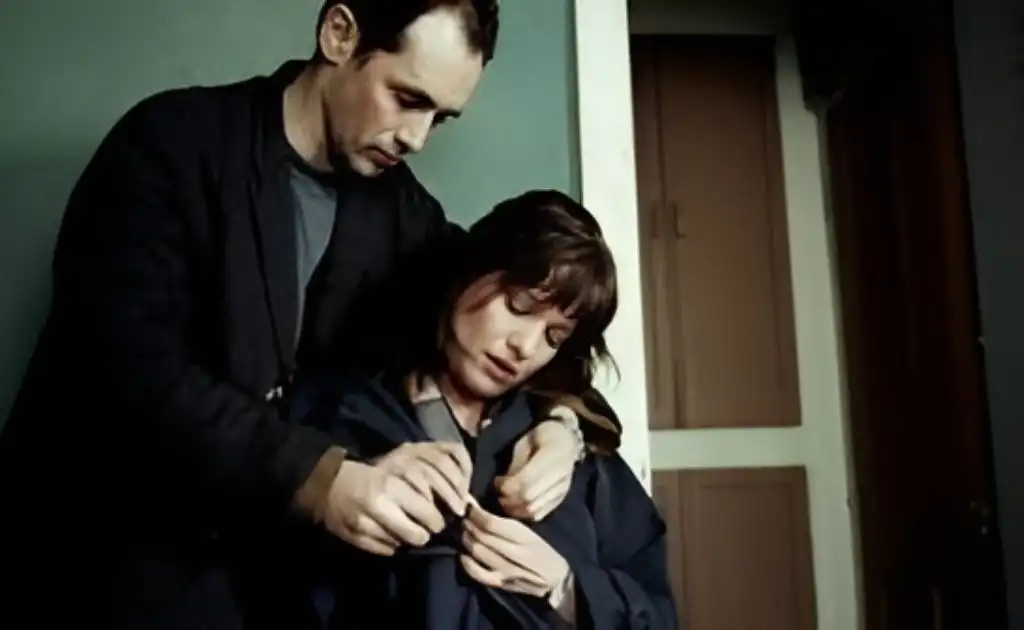
Intimacy focuses on the relationship between two individuals who meet regularly without sharing personal details. Over time, their connection deepens, revealing emotional complexities beneath their initial arrangement. The film explores themes of loneliness, secrecy, and human connection in a grounded and realistic manner. Its performances are subtle yet powerful, capturing the tension between physical closeness and emotional distance. Rather than offering a conventional narrative, it presents a nuanced exploration of relationships and the barriers people create to protect themselves.
Secretary (2002)
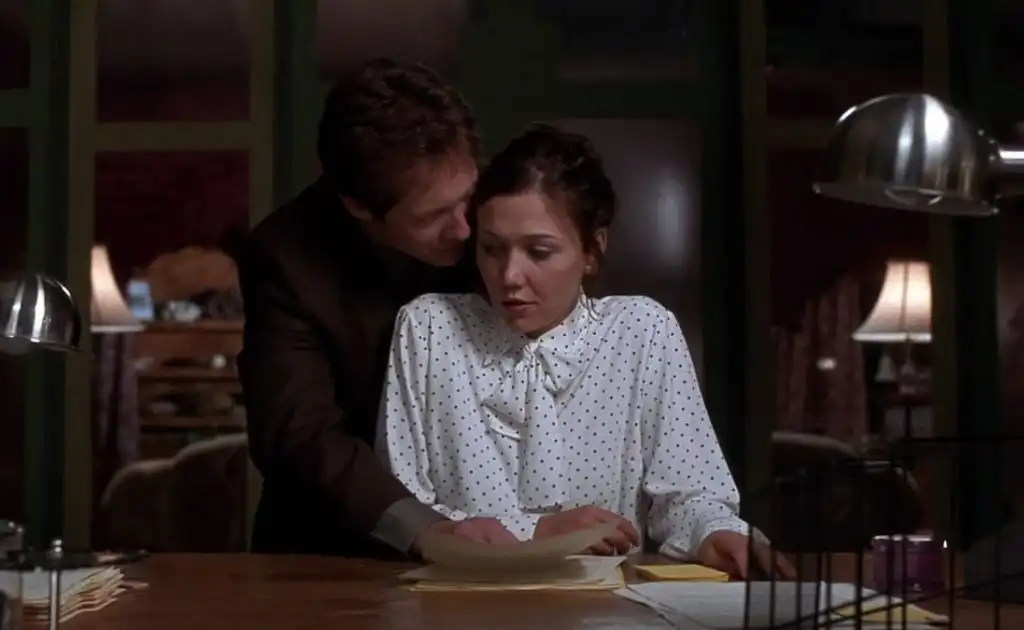
Secretary is a unique romantic drama that blends dark humor with emotional complexity. The film follows a young woman who begins working for a strict and demanding lawyer, leading to a relationship that evolves in unexpected ways. Instead of focusing on surface-level shock, the story delves into themes of self-acceptance, personal growth, and emotional vulnerability. The characters are portrayed with depth and empathy, allowing audiences to connect with their struggles and transformations. Over time, the film has been praised for presenting an unconventional relationship in a nuanced and surprisingly heartfelt manner.
The Piano Teacher (2001)
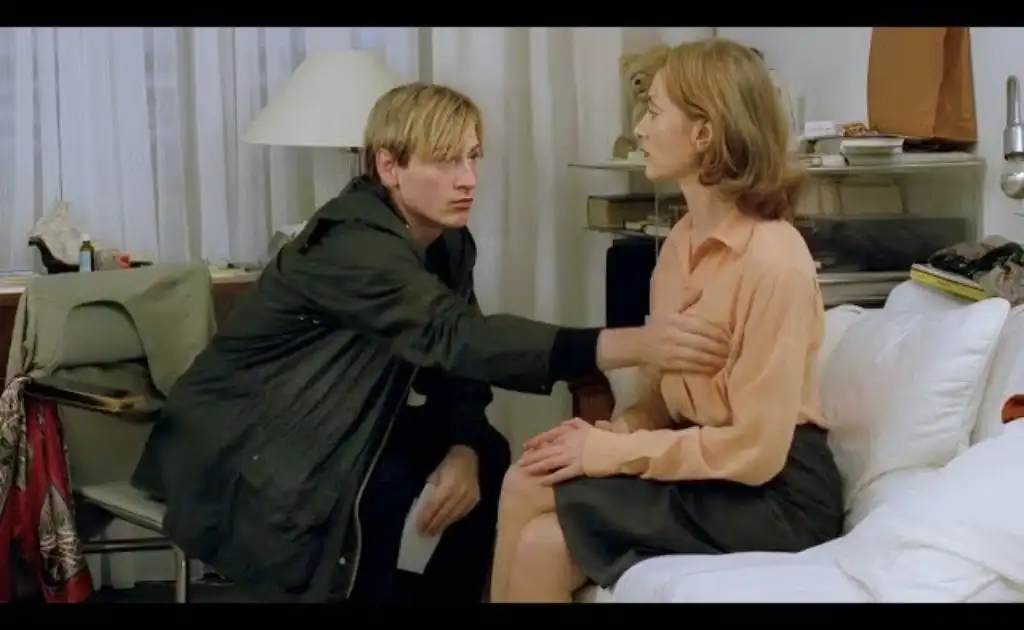
Michael Haneke’s The Piano Teacher is an intense psychological drama that examines repression, control, and inner conflict. The story centers on a disciplined music instructor whose rigid exterior hides a deeply complex emotional world. As her relationship with a student develops, suppressed desires begin to surface, leading to increasingly tense and uncomfortable situations. Haneke’s direction is precise and unflinching, creating an atmosphere that is both compelling and unsettling. Rather than relying on sensationalism, the film focuses on character psychology, making it a powerful exploration of human behavior and emotional fragility.
Sex and Lucia (2001)

Sex and Lucia is a visually rich and emotionally layered film that blends romance, memory, and storytelling. The narrative follows a woman retreating to a Mediterranean island as she reflects on a past relationship, with the story unfolding through interconnected timelines. Its nonlinear structure creates a sense of fluidity, mirroring how memories are experienced rather than recalled in order. The film emphasizes emotional connection and the power of storytelling, using striking cinematography to enhance its dreamlike quality. It stands out as a poetic and introspective exploration of love, loss, and imagination.