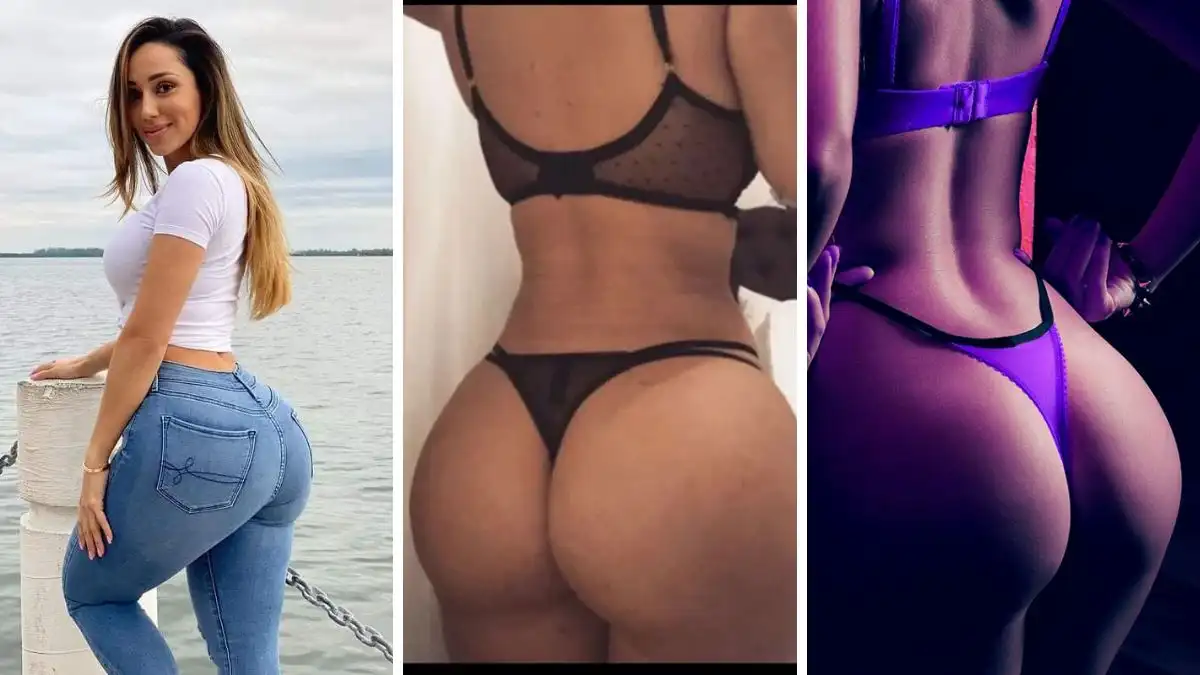
Different butt shapes are influenced by genetics, glute muscles, pelvic structure, fat distribution, and overall body composition. Common types include round butt, heart-shaped butt, square butt, V-shaped butt, flat butt, athletic butt, and pear-shaped body types. Understanding body anatomy helps improve fitness goals, clothing choices, posture, and lower-body training routines. Exercises like squats, hip thrusts, lunges, and deadlifts help strengthen glute muscles and enhance natural curves. This guide explains butt shape characteristics, glute development, body proportions, and styling tips to help you understand different female and male body shapes more effectively.
Types of Butt Shapes
Different butt shapes are determined by genetics, pelvic bone structure, fat distribution, muscle mass, and overall body composition. Every body type is unique, and understanding these shapes helps in choosing better workouts, clothing styles, and body goals. Below are the most common types of butt shapes with detailed explanations and key characteristics.
Round Butt Shape
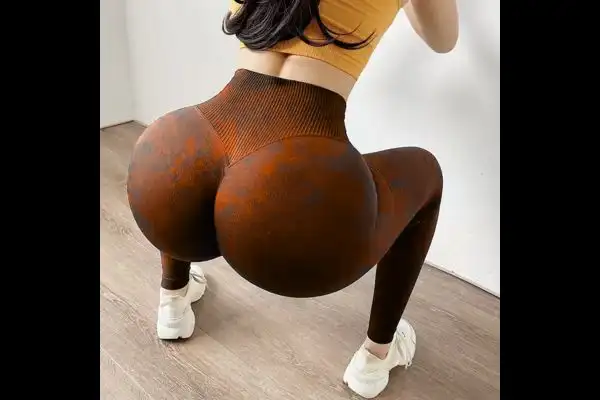
A round butt shape is full, balanced, and evenly curved from both the side and back view. This shape is often associated with strong glute muscles and proportional fat distribution around the hips and buttocks. It creates a naturally lifted appearance and is commonly called a “bubble butt.”
Characteristics
- Full upper and lower glutes
- Even fat distribution
- Naturally curved appearance
- Balanced hip-to-glute ratio
- Visible projection from the side
Causes
- Genetics and pelvic structure
- Strong glute muscles
- Higher muscle mass
- Balanced lower-body fat storage
- Regular lower-body workouts
Best Exercises
- Hip thrusts
- Squats
- Romanian deadlifts
- Lunges
- Glute bridges
Best Clothing Styles
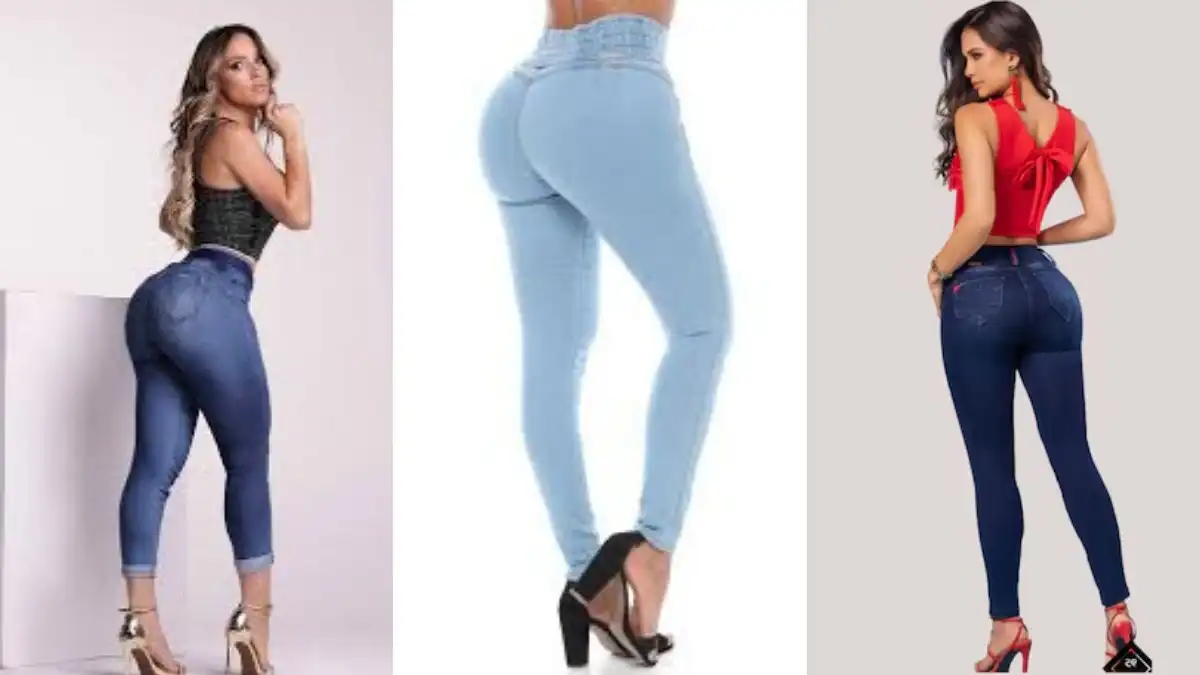
- High-waisted jeans
- Bodycon dresses
- Fitted leggings
- Stretch denim
- Tailored pants
Heart-Shaped Butt
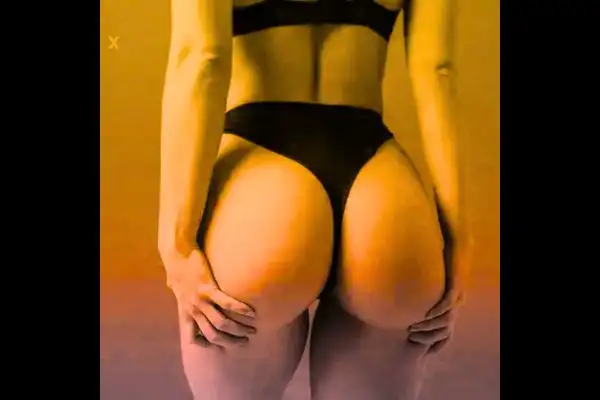
The heart-shaped butt, also known as the A-shape, is fuller at the bottom and narrower at the top. This shape creates a softer and more feminine appearance because the lower glutes carry more volume than the upper area.
Characteristics
- Fuller lower glutes
- Narrow upper butt area
- Wide hips and thighs
- Defined waist-to-hip curve
- Softer lower-body appearance
Causes
- Fat storage around hips and thighs
- Hormonal fat distribution
- Pear-shaped body structure
- Genetics
- Lower-body dominant physique
Best Exercises
- Step-ups
- Sumo squats
- Deadlifts
- Cable kickbacks
- Bulgarian split squats
Best Clothing Styles
- Flared jeans
- Pencil skirts
- High-rise pants
- Structured trousers
- Shaping leggings
Square Butt Shape
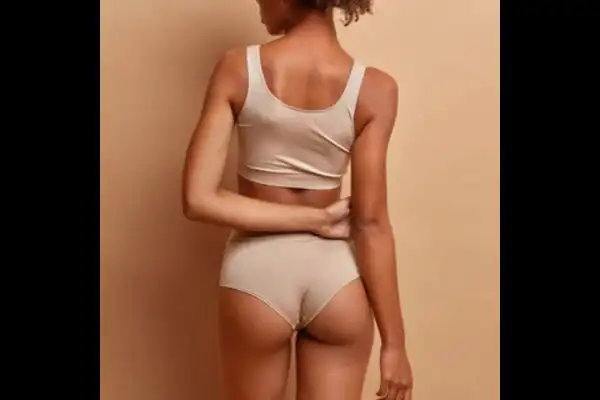
The square butt shape has straighter lines between the hips and thighs, creating a box-like appearance. This shape is common among athletic or lean body types and is heavily influenced by pelvic bone structure.
Characteristics
- Straight hip-to-thigh lines
- Less lower-glute fullness
- Athletic appearance
- Wider waist alignment
- Minimal side curves
Causes
- High hip bones
- Lean body composition
- Lower fat distribution
- Genetics
- Athletic muscle structure
Best Exercises
- Side lunges
- Curtsy lunges
- Side band walks
- Cable kickbacks
- Glute medius workouts
Best Clothing Styles
- Pocket-enhancing jeans
- Peplum tops
- Layered outfits
- Textured fabrics
- Shaping shorts
V-Shaped Butt
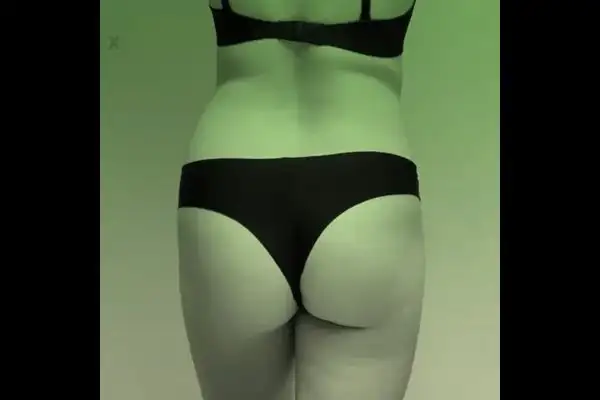
A V-shaped butt appears wider at the top and narrower toward the bottom. The glutes taper downward, creating an inverted appearance. This shape is more common with aging or lower estrogen levels.
Characteristics
- Fuller upper glutes
- Narrow lower glutes
- Reduced bottom volume
- Tapered appearance
- Less side projection
Causes
- Aging and hormonal changes
- Fat loss in lower glutes
- Genetics
- Muscle loss
- Narrow pelvic structure
Best Exercises
- Glute bridges
- Stair climbing
- Resistance band workouts
- Romanian deadlifts
- Donkey kicks
Best Clothing Styles
- Push-up leggings
- A-line dresses
- Textured pants
- Bootcut jeans
- Layered bottoms
Flat Butt Shape

A flat butt shape has minimal outward projection and lower glute volume. This body type often appears lean and less rounded due to lower fat storage and smaller glute muscles.
Characteristics
- Minimal side projection
- Lower glute volume
- Lean appearance
- Reduced curvature
- Smaller muscle mass
Causes
- Genetics
- Low body fat
- Sedentary lifestyle
- Weak glute muscles
- Limited strength training
Best Exercises
- Weighted squats
- Hip thrusts
- Deadlifts
- Walking lunges
- Resistance training
Best Clothing Styles
- Ruched leggings
- Push-up jeans
- Structured pants
- Thick fabrics
- Layered outfits
Inverted Butt Shape
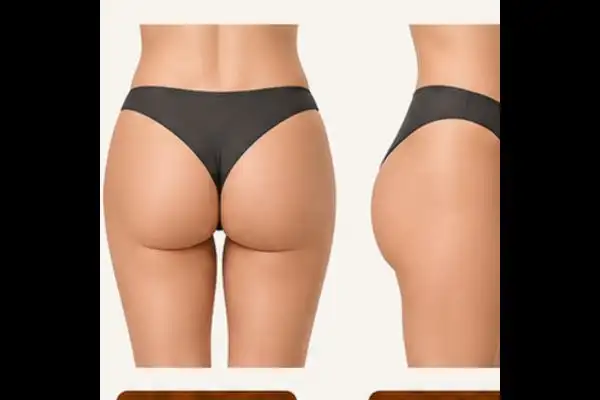
The inverted butt shape looks fuller near the waist but smaller around the lower glutes. It may resemble a V-shape but usually has less overall volume and softer definition.
Characteristics
- Narrow lower buttocks
- Fuller upper area
- Less glute roundness
- Reduced lower projection
- Slim lower-body profile
Causes
- Fat distribution patterns
- Aging
- Hormonal shifts
- Lower glute muscle weakness
- Genetics
Best Exercises
- Step-ups
- Glute kickbacks
- Hip thrusts
- Squats
- Resistance band training
Best Clothing Styles
- High-waisted leggings
- Flared pants
- Compression shorts
- Contouring activewear
- Thick denim jeans
Pear-Shaped Butt
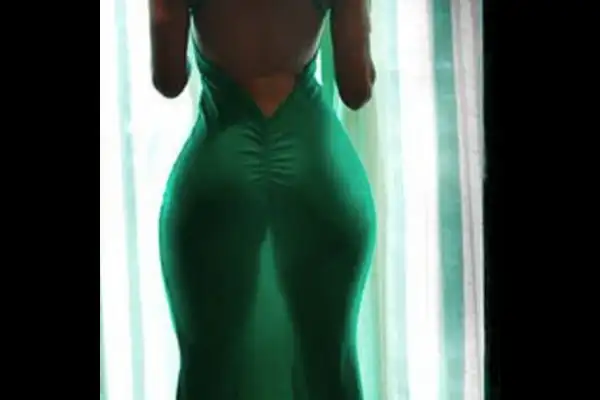
A pear-shaped butt is usually associated with wider hips and larger thighs. The lower body carries more fat compared to the upper body, creating a naturally curvier appearance.
Characteristics
- Wide hips
- Fuller thighs
- Curvier lower body
- Smaller upper body
- Defined waist
Causes
- Genetics
- Hormonal fat storage
- Lower-body fat dominance
- Natural pelvic width
- Estrogen distribution
Best Exercises
- Squats
- Lunges
- Stair workouts
- Glute bridges
- Deadlifts
Best Clothing Styles
- High-rise jeans
- Wrap dresses
- Bootcut pants
- Stretch fabrics
- Tailored skirts
Conclusion
Every butt shape is natural and influenced by genetics, hormones, body composition, and muscle structure. Some people naturally have fuller lower glutes, while others develop muscle through training and exercise. Understanding different butt shapes helps in selecting the right fitness routine, improving posture, enhancing confidence, and choosing clothing that complements individual body proportions.
Frequently Asked Questions About Different Types of Butt Shapes
What are the different types of butt shapes?
The most common butt shapes are round, heart-shaped (A-shape), square (H-shape), V-shaped, flat, and athletic butt types. These shapes are influenced by genetics, fat distribution, muscle mass, and pelvic structure.
How can I identify my butt shape?
You can identify your butt shape by standing in front of a mirror and observing the hip-to-thigh ratio, glute fullness, waist shape, and lower-body curvature. Different butt shapes have distinct outlines such as round, square, or tapered appearances.
What causes different butt shapes?
Butt shape is mainly determined by genetics, pelvic bone structure, fat storage patterns, hormone levels, and glute muscle development. Lifestyle and exercise also affect overall appearance.
Can exercise change butt shape naturally?
Exercise can improve glute muscle size, firmness, and lift, but it cannot completely change bone structure or genetics. Strength training helps create a fuller and more toned appearance.
Which butt shape is considered most attractive?
Beauty standards vary, but round and heart-shaped butts are commonly viewed as desirable due to their fuller and curvier appearance. However, all butt shapes are natural and normal.
Why do butt shapes change with age?
Hormonal changes, aging, pregnancy, menopause, and weight fluctuations can alter fat distribution and muscle tone, causing butt shape to change over time.
What exercises are best for glute growth?
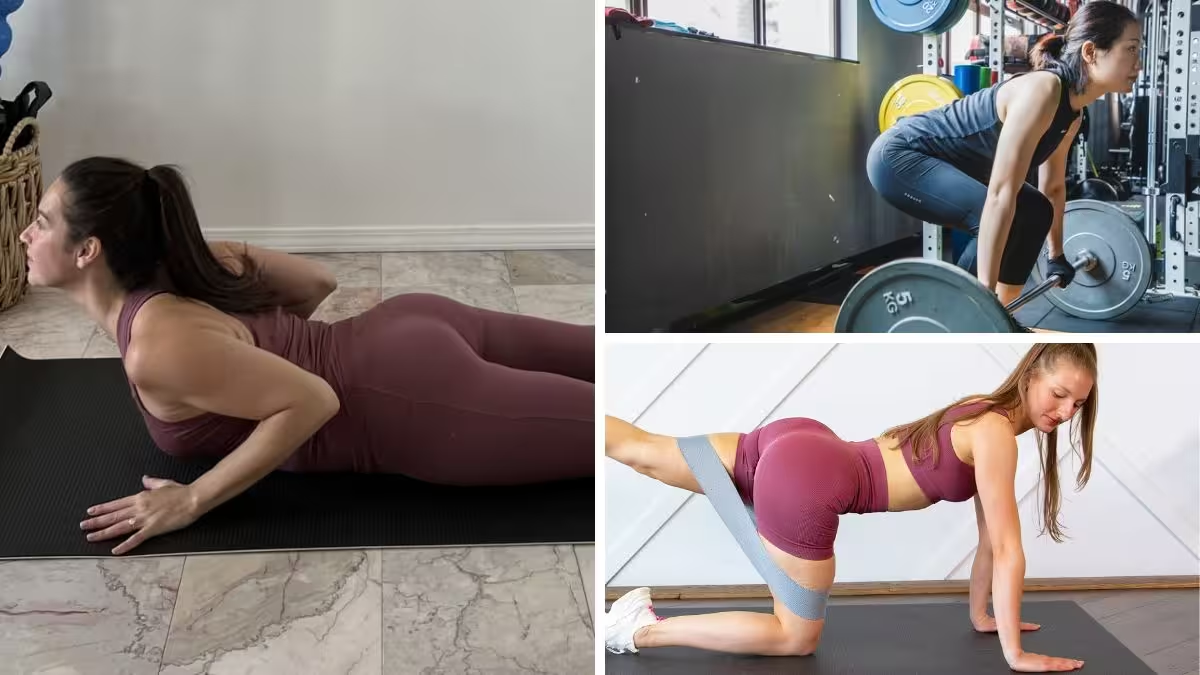
Hip thrusts, squats, lunges, Romanian deadlifts, glute bridges, and resistance band workouts are among the best exercises for building stronger and fuller glutes.
Are flat butt shapes normal?
Yes, flat butt shapes are completely normal and are often caused by genetics, low body fat, or smaller glute muscles. Exercise and nutrition can help improve muscle definition and volume.
Does sitting too much affect butt shape?
Long periods of sitting may weaken glute muscles and affect posture, which can influence butt appearance over time. Regular movement and exercise help maintain muscle tone.
Can diet help improve butt shape?
A protein-rich diet combined with strength training supports glute muscle growth and recovery. Healthy nutrition also helps maintain balanced fat distribution and body composition.